How to Cook Dried Beans From Scratch: A Complete Guide

There's something satisfying about cooking dried beans from scratch. It takes a little more planning than popping open a can, but the payoff is worth it. Better texture, richer flavor, and a lot more control over what ends up in your pot. If you've been intimidated by dried beans or just aren't sure where to start, this guide walks through everything you need to know.
Why Cook Dried Beans From Scratch
Canned beans are convenient, and there's nothing wrong with keeping a few on hand. But dried beans have some real advantages. They're more affordable per serving, they let you control the sodium and seasoning from the very first step, and many people find the texture noticeably better since you're not dealing with the softness that comes from long-term canning.
Dried beans also store well for a long time, which makes them a smart pantry staple for anyone trying to cut down on last-minute grocery runs or build up a more self-sufficient kitchen.
Step One: Sort and Rinse
Before you do anything else, spread your beans out on a baking sheet or clean counter and sort through them. Occasionally a small stone or shriveled bean makes its way into the bag, and it's much easier to catch before cooking than after. Once sorted, give the beans a good rinse in a colander under cool water.
Step Two: Soak Your Beans
Soaking isn't strictly required for every bean variety, but it does make a real difference. It shortens cooking time, helps beans cook more evenly, and for many people, makes beans easier to digest.
There are two common approaches. The traditional method is to cover your beans with several inches of water and let them soak for 8 to 12 hours, or overnight. If you're short on time, the quick-soak method works well too: bring your beans to a boil in a pot of water for about two minutes, then remove from heat, cover, and let them sit for an hour before draining and rinsing.
Either method works, so it really comes down to how far ahead you're planning your meal.
Step Three: Cook Low and Slow
Once your beans are soaked and rinsed, place them in a pot and cover with fresh water, about two to three inches above the beans. Bring to a gentle boil, then reduce the heat to a low simmer and let them cook uncovered or partially covered, checking occasionally and adding water as needed.
Cooking times vary by variety. Smaller beans like black beans or pinto beans typically take around 60 to 90 minutes once soaked, while larger varieties like Great Northern beans may take slightly longer. The best way to know they're done is to taste one. Beans should be tender all the way through with no chalky or firm center.
A common mistake is adding salt or acidic ingredients like tomatoes too early in the process. Both can toughen the skins and slow down cooking, so it's best to wait until the beans are fully tender before seasoning.
Step Four: Season to Taste
Once your beans are cooked, this is where you can really make them your own. A simple approach of salt, garlic, and a bit of onion goes a long way, but dried beans are a blank canvas for whatever direction you want to take a dish, whether that's a smoky chili, a bright and herby salad, or a comforting pot of soup.
A Few Tips for Better Results Every Time
Cooking dried beans gets easier with a little practice, but a few habits make a noticeable difference. Always start with fresh, quality beans rather than ones that have been sitting in the pantry for years, since older beans take longer to cook and can turn out unevenly. Keep the simmer gentle rather than a hard boil, which helps beans hold their shape instead of breaking apart. And don't be afraid to cook a larger batch than you need for one meal. Cooked beans freeze well, which makes future meals even easier.
Start With Beans You Can Trust
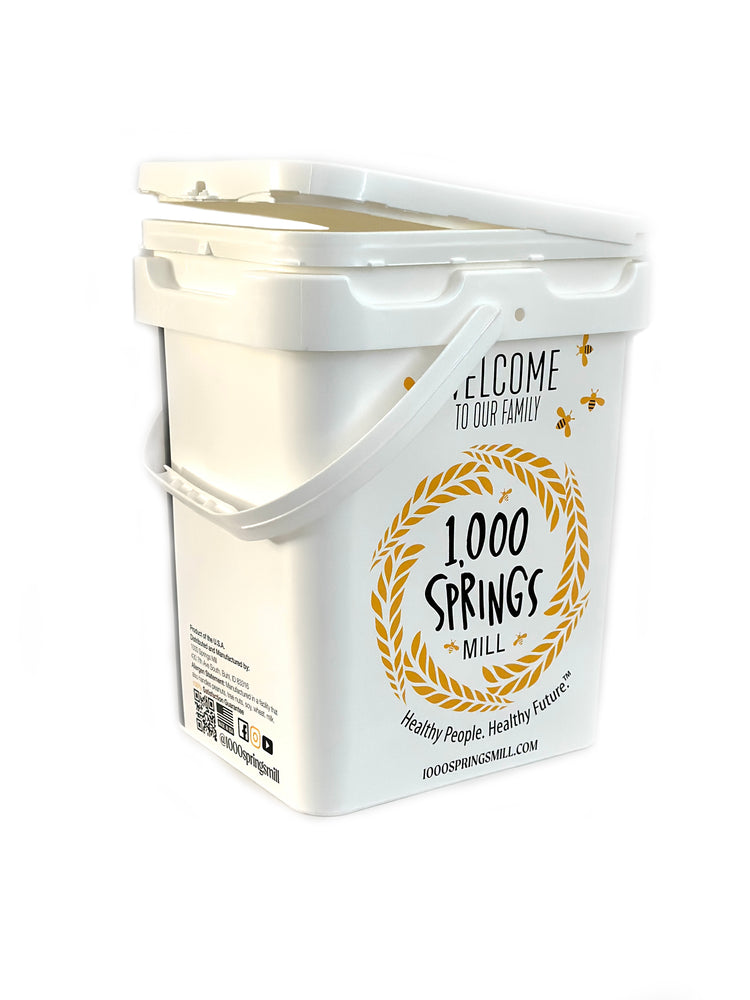
The quality of your finished dish starts with the quality of the beans you begin with. At 1000 Springs Mill, our organic and non-GMO beans are grown on our family farms right here in Buhl, Idaho, using regenerative farming practices that prioritize soil health and long-term sustainability. Whether you're cooking up a pot of pinto beans, black beans, or Great Northern beans, you can feel good knowing exactly where they came from.
Ready to stock your pantry? Browse our full lineup of organic beans and start your next pot with ingredients grown the way they should be.